
Orthopaedic cushions in Ireland: coccyx, pressure relief, wedge and lumbar cushions compared for chairs, wheelchairs and the car, with tips on choosing.
Orthopaedic Cushions to Compare
An orthopaedic cushion changes how your weight sits on a chair. The right one can take pressure off a sore tailbone, lower the risk of pressure sores for someone who sits all day, or stop a person sliding down in an armchair. The wrong one can make things worse, so it pays to match the cushion to the problem.
This guide covers the main types of orthopaedic cushion, who each one suits, and when a pressure-relief cushion should come through an occupational therapist rather than off the shelf.
Orthopaedic cushions compared
| Type | Key detail | Price | ||
|---|---|---|---|---|
|
Tel Charme gel memory foam Tailbone pain | Coccyx cushion | Cut-out, non-slip base | €27.17 | View on Amazon |
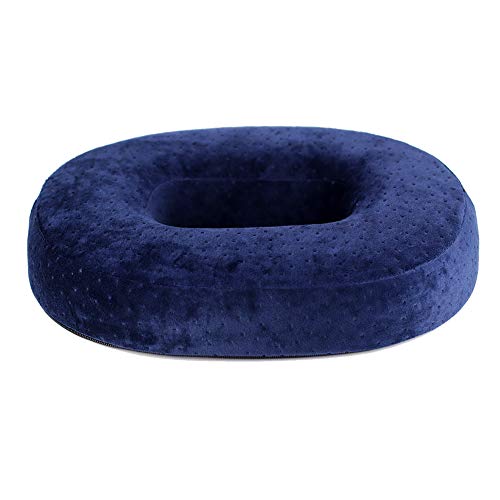
Homely Lee donut cushion Piles, after birth | Ring cushion | Memory foam | €23.35 | View on Amazon |
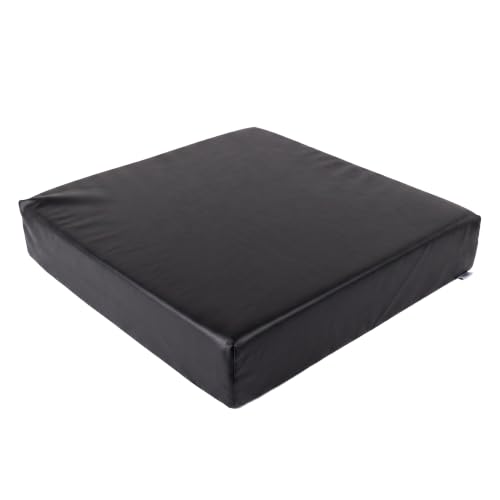
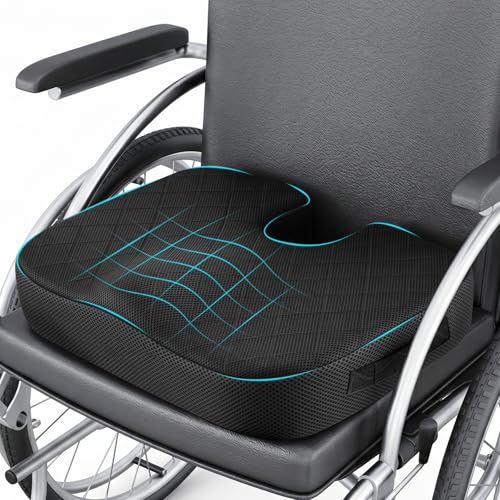
PEPE pressure cushion Wheelchairs | Pressure relief | 8 cm memory foam, zip cover | €29.99 | View on Amazon |
|
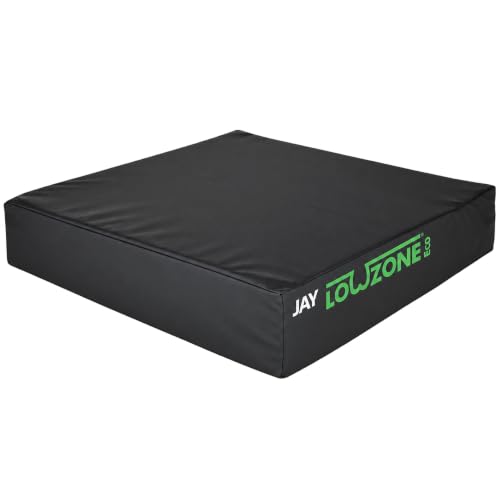
Helping Hand Lowzone ECO Long sitting | Pressure relief | Low risk, wipeable | €43.25 | View on Amazon |
|
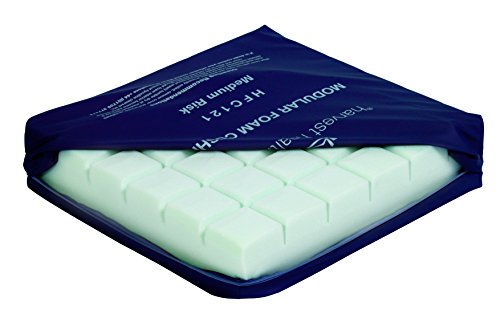
Harvest modular foam Medium risk | Pressure relief | Modular foam | €61.81 | View on Amazon |
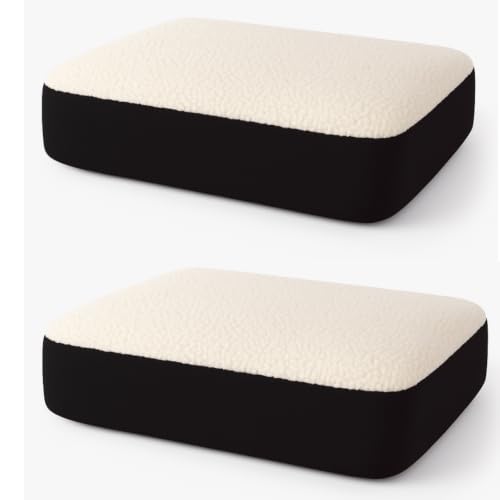
Dualuxe gel cushion (2) Comfort | Gel cushion | Fleece covers, pair | €54.00 | View on Amazon |
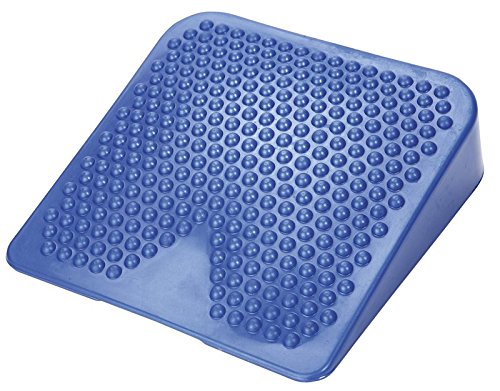
Therapy In Motion wedge Posture | Seat wedge | Inflatable, with pump | €24.48 | View on Amazon |
|
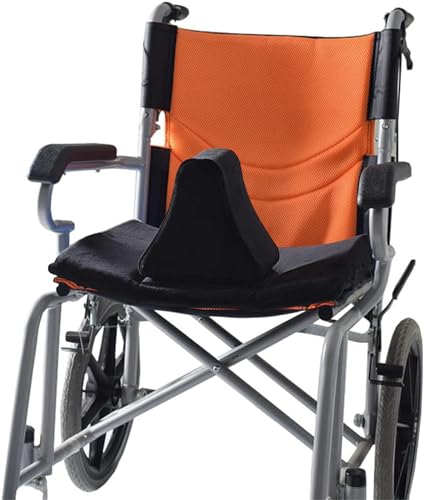
Pommel wedge with strap Sliding forward | Pommel wedge | Safety strap | €48.17 | View on Amazon |
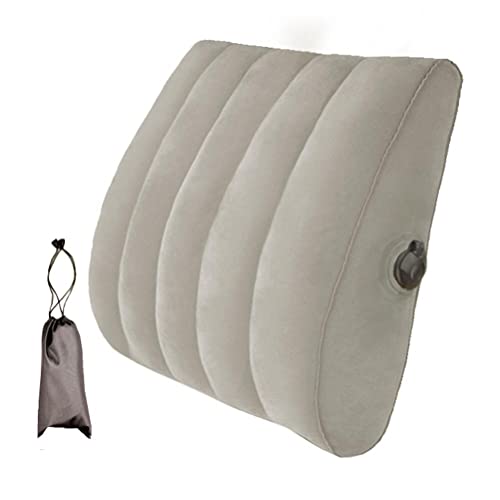
Masyrt lumbar pillow Lower back | Back support | Inflatable, straps | €24.39 | View on Amazon |
Today’s prices on coccyx, pressure relief, wedge and lumbar cushions.
Table of Contents
Types of Orthopaedic Cushion
Coccyx cushions
A coccyx cushion has a U-shaped cut-out at the back, so the tailbone hangs free instead of pressing on the seat. It suits tailbone pain after a fall, sitting for long hours at a desk or in the car, and sciatica made worse by sitting. Memory foam versions mould to your shape and gel layers help keep them cool.
Donut or ring cushions
A ring cushion has a hole in the middle. It is mainly used for short-term relief from piles or soreness after childbirth or surgery. It is not a pressure-care cushion: international pressure ulcer guidelines advise against ring or donut cushions for preventing pressure sores, because the ring presses on the skin around the hole.
Pressure-relief cushions
Pressure-relief cushions spread weight more evenly across the buttocks and thighs, so no single area takes too much pressure for too long. They are rated by risk: low-risk cushions suit people who sit for a few hours, while medium and high-risk cushions are for people who sit most of the day or already have red or broken skin. They are used in wheelchairs, armchairs and day chairs. See our wheelchair guide for more on seating.
Wedge and pommel cushions
A seat wedge is higher at the back than the front, which tilts the pelvis forward and helps you sit up straight. A pommel wedge works the other way round: the raised front stops someone slipping forward out of the chair, which is common in older people who sit for long periods.
Lumbar and back cushions
A lumbar cushion fills the gap between the lower back and the chair, so the spine keeps its natural curve. It suits car seats, office chairs and armchairs with deep, sagging backs.
Choosing an Orthopaedic Cushion
- Start with the problem. Tailbone pain points to a coccyx cushion. Long hours sitting points to a pressure-relief cushion. Slumping or sliding points to a wedge or pommel cushion.
- Measure the seat. The cushion should cover the seat without hanging over the edges. Wheelchair cushions are sized to the seat width, often 16 to 18 inches.
- Check the seat height. A thick cushion raises you up, which can help getting out of a low chair, but it also lowers the armrests relative to you and can leave your feet off the floor.
- Pick a washable or wipeable cover, especially for incontinence or for someone who eats in their chair.
- Use the non-slip side down. A cushion that slides is a fall risk when you stand up or sit down.
Pressure Sores: When to Get Advice
Anyone who sits for most of the day, has poor sensation, is very thin, or has continence problems is at higher risk of pressure sores. Check the skin over the tailbone and hips every day. If you see redness that does not fade after the pressure is off, or any broken skin, contact your GP or public health nurse quickly.
An off-the-shelf cushion is a good start for low risk, but it does not replace an assessment. An occupational therapist or public health nurse can assess the risk and recommend the right cushion, and if you have a medical card the HSE may supply it. Our guide to mobility aids grants in Ireland explains the HSE aids and appliances scheme.
For getting up from a low chair, a firm cushion helps a little, but chair raisers or a riser recliner and grab rails do more. A raised toilet seat solves the same problem in the bathroom.
Every orthopaedic cushion we list, with today’s prices.
Orthopaedic Cushion Questions
What is the best cushion for tailbone pain?
A coccyx cushion with a U-shaped cut-out at the back, usually in memory foam. The cut-out lets the tailbone hang free so it does not press on the seat.
Are donut cushions good for pressure sores?
No. Pressure ulcer guidelines advise against ring or donut cushions for preventing pressure sores, because the ring presses on the skin around it. Use a proper pressure-relief cushion instead, and get advice from a nurse or occupational therapist.
Can I get a pressure cushion from the HSE?
If you have a medical card and are assessed as being at risk of pressure sores, an occupational therapist or public health nurse may arrange one through HSE aids and appliances. Ask your GP or public health nurse.
Do orthopaedic cushions help sciatica?
Some people find a coccyx or wedge cushion eases sciatica that is worse when sitting, by changing the angle of the pelvis and taking pressure off the back of the seat. It will not treat the cause, so see a GP or physiotherapist if pain persists.