
Wheelchairs in Ireland: self-propelled and transport wheelchairs, including lightweight folding models, compared with sizing, prices, HSE supply and VAT.
Wheelchairs to Compare
Today’s prices on self-propelled, transport and lightweight folding wheelchairs.
Choosing a wheelchair comes down to who will move it, where it will be used and how often it has to go in a car. A chair that suits a few hospital appointments is very different from one used all day at home.
This guide explains the main types of wheelchair sold in Ireland, how to measure for one, and how to get one through the HSE or reclaim the cost. If you are still walking with support, our guides to rollators and walking aids may suit you better.
Wheelchairs compared
| Type | Key detail | Price | ||
|---|---|---|---|---|
|
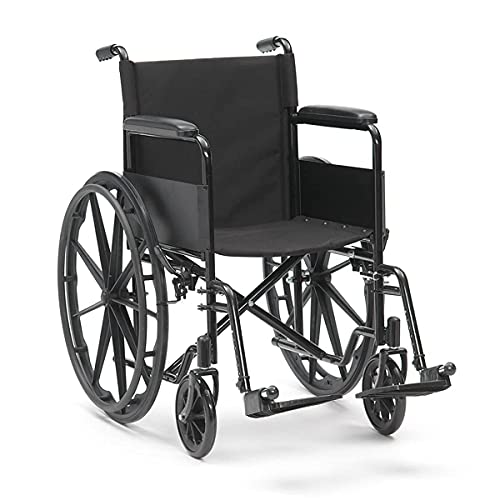
Drive Sport Self-propel | Self-propelled | Steel, 24" wheels | €125.70 | View on Amazon |
|
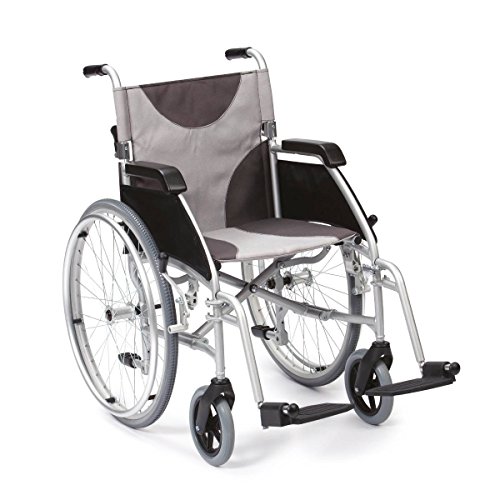
Drive LAWC007A Lightweight | Self-propelled | Aluminium, 17" seat | €232.80 | View on Amazon |
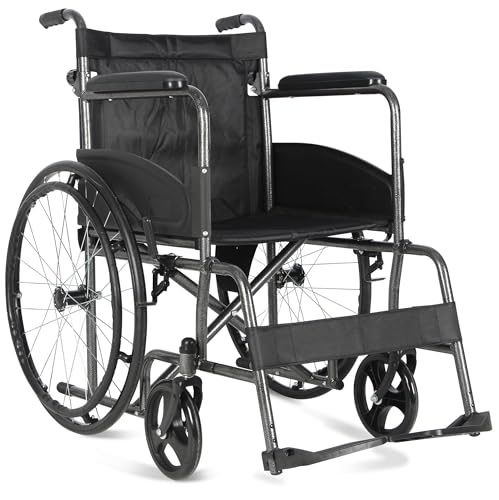
Aidapt Extra Wide Wide seat | Self-propelled | 20" seat | €127.71 | View on Amazon |
|
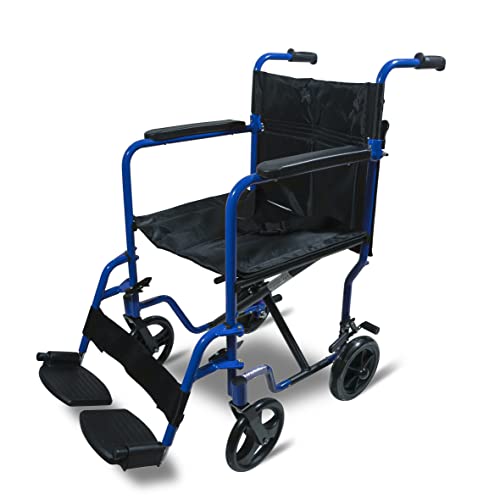
Aidapt Attendant For carers | Attendant | Aluminium, lap strap | €135.76 | View on Amazon |
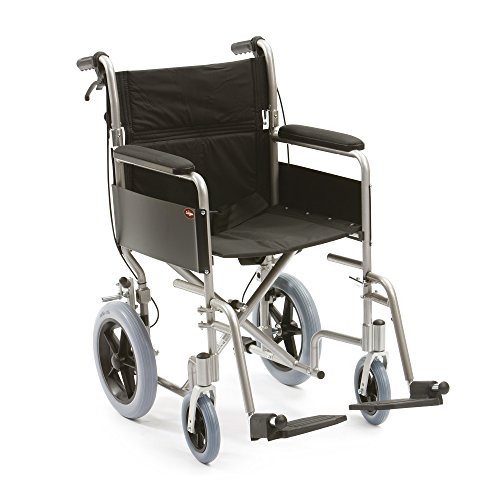
Drive Enigma Transit | Attendant | 18" seat, puncture-proof fronts | €222.74 | View on Amazon |
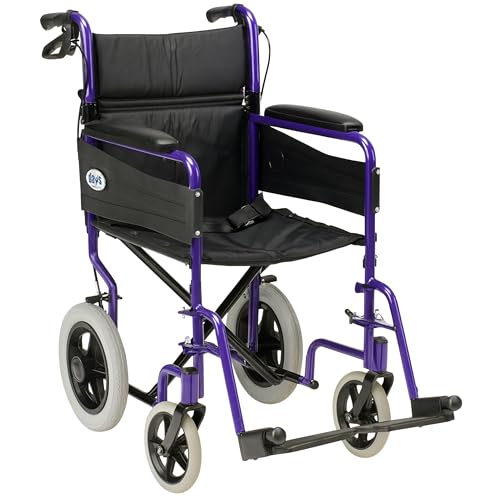
Days Escape Folding | Attendant | 51 cm seat, aluminium | €173.45 | View on Amazon |
|
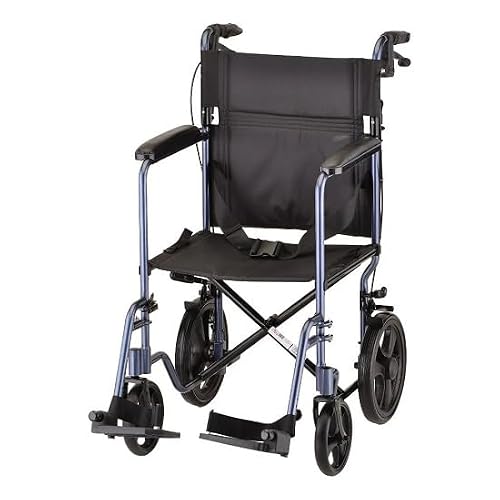
Drive TraveLite Travel | Transport chair | Folds into a bag | €124.90 | View on Amazon |
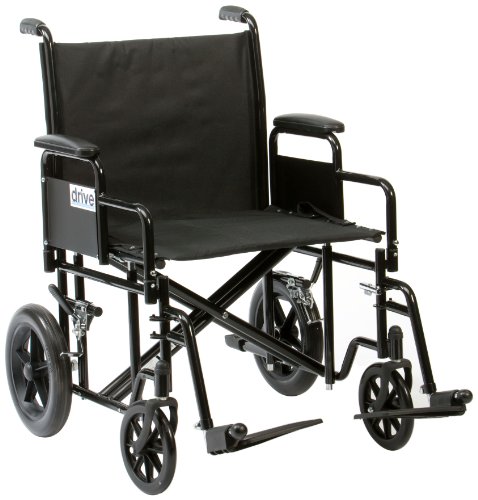
Drive Bariatric Heavy duty | Transport chair | 22" seat, 204 kg limit | €257.59 | View on Amazon |
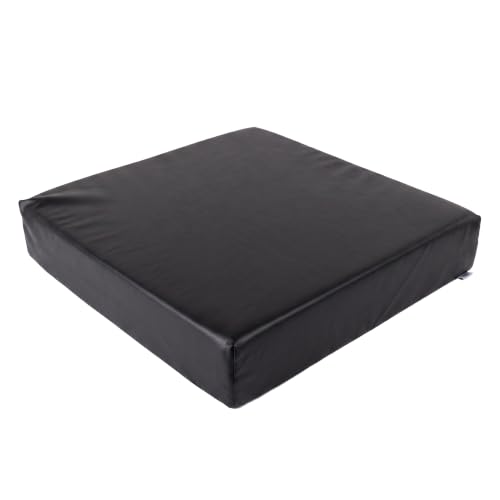
PEPE pressure cushion Comfort | Cushion | Memory foam, 16.5" | €29.99 | View on Amazon |
Table of Contents
Types of Wheelchair
Self-propelled wheelchairs
A self-propelled wheelchair has large rear wheels, usually 22 to 24 inches, with push rims so the user can wheel themselves. It also has push handles, so a helper can take over on hills or long distances. This is the right type for anyone with the arm strength to move themselves, even for part of the day.
Attendant-propelled (transit) wheelchairs
Transit or attendant chairs have small rear wheels and are pushed by someone else. They are lighter and narrower than self-propelled chairs and fit more easily in a car boot. Most have brakes on the push handles so the carer can control the chair on slopes.
Transport and travel chairs
Transport chairs are the lightest and most compact type, built for occasional use such as hospital visits, airports and days out. Some fold into a carry bag. They are not designed for someone to sit in all day.
Heavy-duty and bariatric wheelchairs
Heavy-duty chairs have a stronger frame, a wider seat and a higher weight limit. A standard wheelchair is often rated for around 115 to 135 kg, so check the limit if the user is heavier. The Drive bariatric transport chair in our table is rated to 204 kg with a 22-inch seat.
If walking any distance is difficult but the user can sit upright and steer, a mobility scooter may suit outdoor trips better.
Self-Propelled or Attendant-Propelled?
Pick a self-propelled chair if the user can push themselves around the house or for short distances. Being able to move without waiting for help makes a real difference to independence, and the chair can still be pushed when needed.
Pick an attendant-propelled chair if the user cannot wheel themselves, or if the chair will mostly be used by a carer for trips out. The smaller wheels make it lighter to lift and easier to fold, which matters if the same person is doing the pushing and the lifting.
Measuring for a Wheelchair
- Seat width. Measure across the widest part of the hips while seated, then add about 5 cm. Most adult chairs have seats of 16 to 20 inches (about 41 to 51 cm). Too wide and the user leans to one side; too narrow and it rubs.
- Seat depth. There should be a gap of two or three fingers between the front of the seat and the back of the knee.
- Footrests. Thighs should rest flat on the seat with feet on the footplates. Most footrests adjust in height and swing away for transfers.
- Doorways. A self-propelled chair is usually about 18 to 20 cm wider than its seat, because of the large wheels. Measure your narrowest door, including the bathroom.
- Weight limit. Check the maximum user weight in the listing.
Lightweight and Folding Wheelchairs
Aluminium chairs are lighter than steel ones, which makes them easier to lift into a car. Steel chairs cost less and are very hard-wearing. Look for quick-release rear wheels, a back that folds down and swing-away footrests: each one makes the folded chair smaller and lighter to lift.
If a carer will be lifting the chair into a car often, try the folded weight in person if you can, or pick the lightest chair that still suits the user.
Cushions and Pressure Care
Most standard wheelchairs have a sling seat, which is fine for short trips. Anyone who sits for several hours a day needs a proper cushion to spread the pressure and lower the risk of pressure sores. A memory foam cushion is a sensible start. Our orthopaedic cushions guide compares the main types. People who sit all day, or who have lost feeling in the legs, should be assessed by an occupational therapist for a pressure-relief cushion.
Getting a Wheelchair in Ireland
Through the HSE. If you have a medical card, a Long Term Illness card or a Health Amendment Act card, the HSE can supply a wheelchair free after an assessment by an occupational therapist or physiotherapist. People who need a chair long-term, or a specialised seating system, are usually referred for a fuller seating assessment. Ask your GP or public health nurse.
Short-term hire. For a few weeks after an operation or an injury, many Irish mobility shops hire out wheelchairs by the week.
VAT and tax relief. Wheelchairs are zero-rated for VAT in Ireland, so there should be no VAT in the price. If a doctor advised it, you can claim 20% tax relief on the cost. See our guide to mobility aids grants in Ireland.
At home. A wheelchair ramp gets the chair over steps and door thresholds, and a transfer board helps with moving between the chair, the bed and the car.
Travelling With a Wheelchair
Under EU rules, airlines carry up to two pieces of mobility equipment, including a wheelchair, free of charge for a passenger with reduced mobility. Tell the airline at least 48 hours before you fly so assistance can be arranged. Irish Rail and most bus operators also ask for advance notice for assistance, so book ahead where you can.
Every wheelchair and cushion we list, with today’s prices.
Wheelchair Questions
Can I get a free wheelchair in Ireland?
Yes, if you have a medical card, a Long Term Illness card or a Health Amendment Act card and an occupational therapist or physiotherapist assesses that you need one. The HSE then supplies it free, often on loan. Ask your GP or public health nurse for a referral.
Is there VAT on wheelchairs in Ireland?
No. Wheelchairs are zero-rated for VAT. You may also be able to claim 20% tax relief on the cost as a health expense if a doctor advised it.
Can a self-propelled wheelchair be pushed by someone else?
Yes. Self-propelled chairs have push handles, so a carer can push when needed. Attendant brakes on the handles are not always fitted, so check if the carer will be pushing on hills.
How much does a wheelchair cost?
Basic folding steel and transit wheelchairs start at around €100 to €140. Lightweight aluminium chairs cost about €170 to €250, and heavy-duty chairs more. Active-user and powered wheelchairs cost far more and are usually prescribed after an assessment.
What is the difference between a transit chair and a transport chair?
Both are pushed by a helper and have small rear wheels. A transport chair is usually lighter and more compact, built for occasional trips, while a transit chair is sturdier for regular use.