
Hand rails for the elderly in Ireland: grab rails for the bathroom, toilet, stairs and front steps compared, with where to fit them and grant help.
Hand Rails to Compare
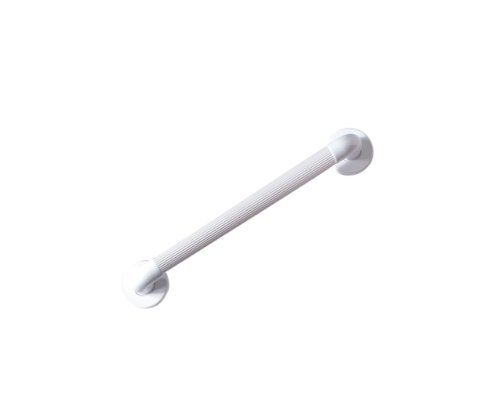
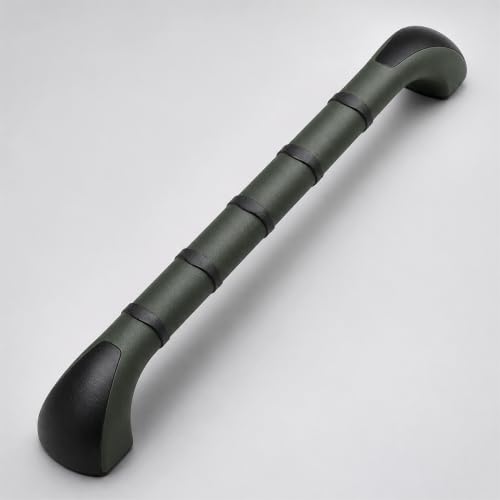
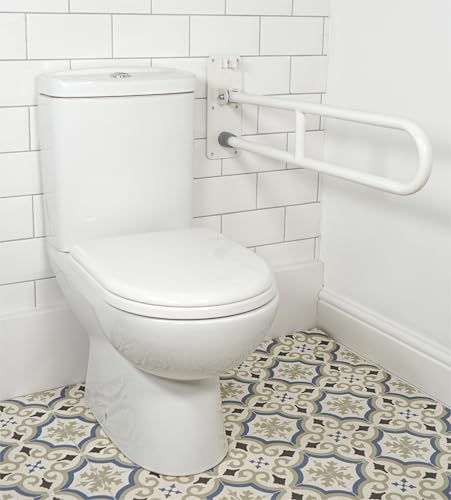
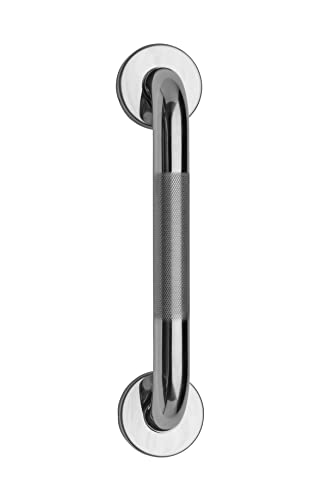
Most falls at home happen on stairs, on the front step and in the bathroom, and the right hand rail in the right place prevents many of them. Grab rails are cheap, quick to fit and give support exactly where you stand up, sit down or step over something.
This guide covers where hand rails make the most difference, the main types for indoors and out, how they should be fitted, and the council grants that pay for them. For rails that fit to the bed, see our guide to bed rails for the elderly.
Hand rails compared
| Type | Key detail | Price | ||
|---|---|---|---|---|
|
NRS fluted grab rail Bathroom | Plastic grab rail | 45 cm, 95 kg | €12.81 | View on Amazon |
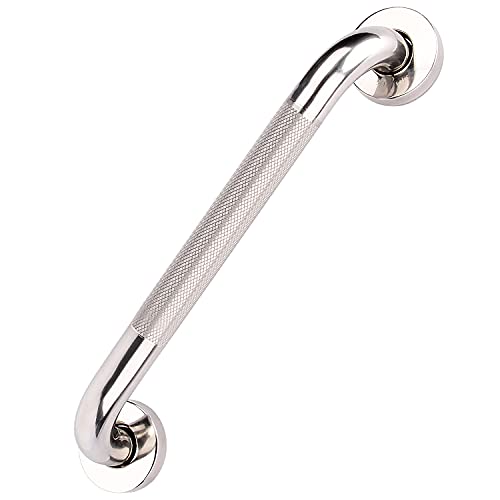
Supregear 40 cm rail Bathroom | Stainless grab rail | Patterned grip, 136 kg | €21.89 | View on Amazon |
|
Croydex 300 mm Bathroom | Stainless grab rail | 32 mm bar, 100 kg | €25.50 | View on Amazon |
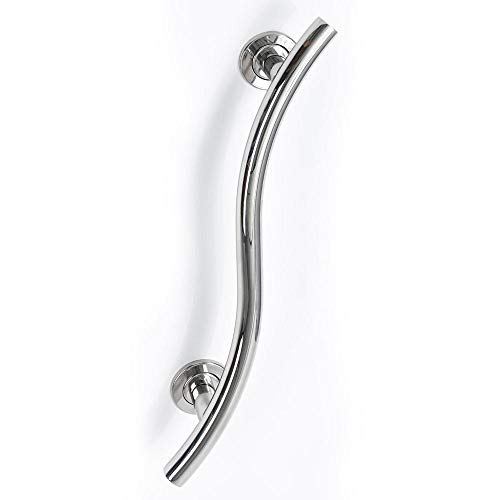
NRS SPA curved rail Shower | Curved grab rail | Stainless, concealed fixings | €49.46 | View on Amazon |
|
Aidapt hinged rail Toilet | Fold-up rail | 720 mm, 190 kg | €44.35 | View on Amazon |
|
Aidapt Prima outdoor Front door | Outdoor grab rail | 459 mm, soft grip | €31.14 | View on Amazon |
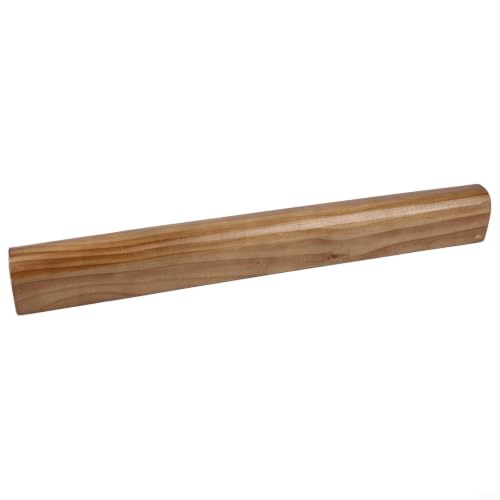
Pine wall handrail Stairs, hall | Wooden handrail | 50 cm | €30.19 | View on Amazon |
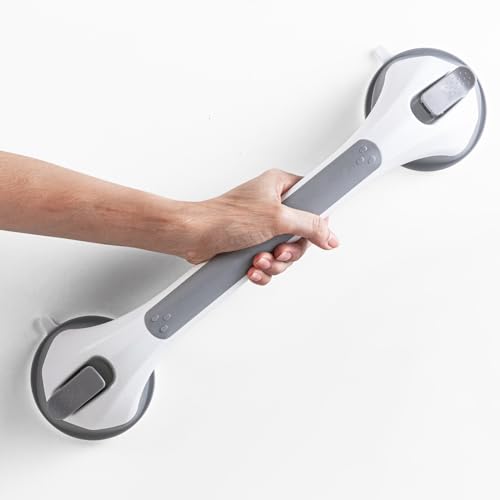
Leverloc suction rail Balance only | Suction rail | No drilling, 43 cm | €39.54 | View on Amazon |
Today’s prices on grab rails, fold-up toilet rails, outdoor rails and stair handrails.
Table of Contents
Where Hand Rails Help Most
- Front and back door. A short vertical or angled rail beside the door gives a handhold for the step up and for steadying yourself while you unlock the door. This is one of the most useful rails in any home.
- Stairs. Most stairs have a banister on one side only. A second handrail on the wall side means you always have a rail on your stronger side, going up and coming down.
- Beside the toilet. A rail on the wall next to the toilet, or a fold-down rail, helps with sitting down and pushing up to stand. A raised toilet seat or toilet frame is often used with it.
- Shower and bath. A vertical rail at the entry to the shower or bath for stepping in and out, and a horizontal rail on the wall for balance while washing.
- Hallways and steps between rooms. Any change in floor level, even a single step down into a kitchen or extension, is worth a rail.
Types of Hand Rail and Grab Rail
Plastic fluted grab rails
These are the classic white grab rails. The ridged surface grips well even with wet or soapy hands, and plastic feels warm to touch. They are cheap and good for bathrooms and outdoor use.
Stainless steel and chrome rails
Metal rails with concealed fixings look neater in a modern bathroom. Choose one with a textured or anti-slip section, because smooth chrome is slippery when wet.
Hinged and fold-up rails
A hinged rail folds down beside the toilet when you need it and lifts up against the wall when you do not. It is useful where there is no wall close enough to the toilet for a fixed rail, or where the space is shared.
Outdoor rails
Rails for the front door and garden steps need to be weatherproof and easy to grip in the cold and wet. Powder-coated or soft-grip finishes are warmer to hold than bare metal.
Stair handrails
A wall-mounted wooden or metal handrail fitted on brackets runs the length of the stairs. Irish building guidance puts stair handrails at about 900 to 1,000 mm above the front edge of the steps, and it should run the full length of the flight without a break.
Suction grab rails
Suction rails stick to smooth tiles or glass without drilling. They are fine as a balance aid when you are renting or travelling, but they can come loose without warning. Never rely on one to take your full weight, and check that it is firmly attached every time you use it.
Fitting Grab Rails Safely
A grab rail is only as strong as its fixing. Screw it into solid masonry with proper wall plugs, or into a timber stud. Plasterboard on its own will not hold a rail under load and needs special fixings or a backing board. The weight limit quoted for a rail assumes it is fixed into a solid wall.
Before fitting, sit and stand where the rail will be used and mark the spot where your hand naturally reaches. An occupational therapist can assess the home and mark the best positions. If you are not confident drilling into tiles or masonry, use a handyman or the contractor doing other adaptations.
Most grab rails are 32 to 38 mm across, which suits most hands. People with arthritis often find a slightly thicker or soft-grip rail easier to hold.
Grants for Hand Rails in Ireland
Grab rails and handrails are among the works covered by your council's Mobility Aids Grant, which pays up to €8,000 for households with an income under €37,500, and by the Housing Aid for Older People Grant. The council must approve the grant before work starts. If you have a medical card, an occupational therapist may also arrange rails through the HSE. Our guide to mobility aids grants in Ireland has the rates and income limits.
For more help with balance and walking, see our guides to walking sticks and walking aids.
Every grab rail, toilet rail and stair handrail we list, with today’s prices.
Hand Rail Questions
Where should grab rails go in a bathroom?
The most useful spots are beside the toilet, at the entry to the shower or bath for stepping in and out, and on the shower wall for balance. An occupational therapist can mark the best positions for the person using them.
Are suction grab rails safe?
Only as a light balance aid. Suction rails can lose grip without warning, so never put your full weight on one and check it is firmly attached every time.
Can I get a grant for grab rails in Ireland?
Yes. Grab rails are covered by the council Mobility Aids Grant, up to €8,000, and the Housing Aid for Older People Grant. Approval must come before the work starts.
Can grab rails be fitted to plasterboard?
Not with ordinary plugs. Fix the rail into a timber stud or solid wall, or use fixings made for plasterboard with a backing board behind it.
Do I need a handrail on both sides of the stairs?
Building guidance requires at least one on narrower stairs, but a second rail on the other side is one of the best changes for an older person, because there is always a rail on the stronger side.